
BPS 19

BPS 19
No, that’s not the name of a new peptide.
It’s actually not the name of a new anything.
It’s the name of an old tradition, with old friends, at an old camp.
And it’s one of the last places on Earth where I’ve found this type of family and community.
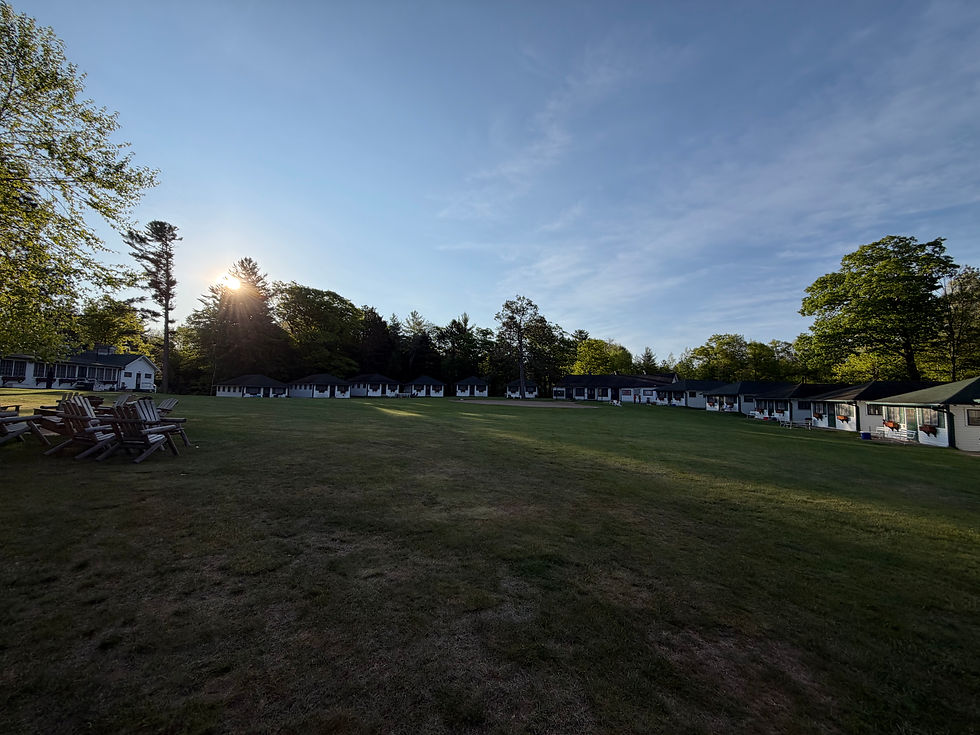
BPS 19 is a weekend event celebrating Brian P. Schwartz, a friend who passed away. On paper, it’s a basketball tournament held at a camp in northern Wisconsin, along with golf, softball, pickleball, and a handful of other activities.
But that’s not really what it is.
It’s a family reunion.
Let’s back up.
A few months ago, I got a text from some friends:
“Do you want to come up to this basketball tournament? It’s crazy competitive. Lots of drinking, partying, gambling, and basically the ultimate guys’ weekend.”
I couldn’t think of a better way to spend a weekend.
Basketball. Good food. A lake in northern Wisconsin.
I immediately said yes.
From the time I signed up until the time I arrived, I started realizing just how serious this event was.
People began asking about my basketball history.
How recently I’d played.
What kind of player I was.
How athletic I was.
What shape I was in.
My injury history.
Soon I understood why.
Mock drafts and player rankings started getting circulated. Email threads ran for months. Excitement continued building as the date approached.
By Tuesday night, I packed my bags.
Wednesday morning, my friends Danny (DG) and Mark Goldin picked me up, and we headed four hours north to Eagle River, Wisconsin.
The farther north we drove, the more beautiful everything became.
When we finally arrived, it felt like we’d reached the edge of the world.
The camp was stunning.
A dozen cabins arranged around a central field. Offices, dining halls, and gathering spaces all facing the lake. Basketball courts, softball fields, soccer fields, hockey facilities, docks, fire pits, and endless places to sit and simply enjoy being there.

The moment I arrived, I knew I was in the right place.
Beautiful.
Peaceful.
Intentional.
What’s funny is that when we arrived a day early, almost nothing was happening.
And that’s exactly what made it special.
People simply gathered.
They sat on docks watching sunrises and sunsets.
They sat around fires.
They lingered over breakfast, lunch, and dinner.
They caught up with old friends.
It felt like one giant family.
The first thing I noticed was how welcomed I felt.
Every single person made an effort to introduce themselves.
To thank me for coming.
To make me feel comfortable.
To ask questions about my life.
So many questions, in fact, that it was sometimes difficult for me to ask about theirs.
I felt genuinely cared about.
Like people truly wanted to know who I was.
Before the draft, the questions were mostly about my wingspan and vertical leap.
After the draft, they were about my upcoming wedding, my travel adventures, and why I choose to run absurd distances.
The draft itself was incredible.
First-round picks received brand-new Evolution basketballs.
Everyone packed into the dining hall to watch the selection order.
Every pick was cheered.
Every announcement celebrated.
The energy was electric.
Then the coaches and first-round picks disappeared into the “war room” to draft the rest of the teams.
What I loved most was how quickly information traveled.
Almost like gossip.
Except positive.
Everyone wanted to know who got picked.
Who was on which team.
Who the steals of the draft were.
What rumors had emerged from the war room.
Everyone was invested.
Deeply invested.
Yet somehow people managed to separate fierce competitiveness from kindness.
That’s rare.
You’ll meet someone trying to interrogate you about your game to determine whether you’d be a good draft pick.
Then that same person will ask thoughtful questions about your family.
Someone will foul you hard all game.
Then buy you a drink afterward.
When we gathered on the beach that evening, lit a fire, and officially announced the teams, the event truly came alive.
People immediately started scouting.
Talking matchups.
Discussing strengths and weaknesses.
Planning strategy.
The questions began:
“Who’s on your team?”
“Who was your first-rounder?”
“How’d your draft go?”
This year I was selected by Adam Ruchim in the second round.
I appreciated the pick because nobody had really seen me play.
The scouting report was basically:
“Good athlete. Good basketball player. Has been traveling nonstop and probably hasn’t touched a basketball in months.”
Accurate.
My game reflected that.
The tournament featured nine teams.
Teams played through four mini-tournaments before advancing to a Final Four and championship bracket.
Over the weekend, we played eight full-court games.
Games to 21 or 30.
Outdoor courts.
Physical defense.
Long possessions.
Long games.
When Friday morning arrived, there was a nervous energy around camp.
Nobody quite knew what to do with themselves.
Everyone wanted to save energy.
Everyone wanted to socialize.
Everyone wanted to eat enough but not too much.
You could feel it.
Then I saw the competitiveness.
Actually, I saw it before the first game.
Because everyone was at the courts nearly an hour early.
Bands.
Mobility work.
Shooting drills.
Team warmups.
Strategy discussions.
People preparing as if they were about to play for a championship.
Then the games started.
The style was physical.

Prideful.
Competitive.
People came to win.
But it never crossed the line.
There were no major arguments.
No drama.
Just people competing hard and enjoying every minute of it.
After every game, the conversations started immediately.
“Did you win?”
“What’s your record?”
“Who’s shooting well?”
“Who’s the team to beat?”
The rhythm of the weekend became beautiful.
Eat.
Play basketball.
Eat.
Play basketball.
Recover.
Swim in the lake.
Hang out.
Eat some more.
Then came the nights.
A beer pong tournament.
An evening at a nearby lake house.
Watching Game 7 of the NBA Conference Finals together.
Just enjoying being around each other.
What stood out most wasn’t the basketball.
It was the relationships.
People talked about each other’s fathers, grandfathers, cousins, kids, and spouses.
These weren’t surface-level friendships.
These were decades-long relationships.
Guys who had played together for twenty or thirty years.
Guys who knew each other’s entire families.
And there were over 150 people connected through this event.
Yet despite being the outsider, I don’t think I’ve ever felt more welcomed anywhere in my life.
Every single person made an effort.
They asked questions.
They remembered the answers.
Then they told their friends, so those people already knew something about me before we met.
And yes, eventually the conversations became about more than basketball.
More than wingspans.
More than positions.
Will I be back?
Absolutely.
Without question.
I’ll be back.
I’ll bring friends.
And I’ll do my part to help continue this tradition.
More importantly, this weekend changed my perspective on what’s meaningful.
What these people have created is an anchor.
An anchor that holds together friendships, families, and communities.
They train together because of it.
They stay connected because of it.
They show up for one another because of it.
This event isn’t the result of their friendships.
Their friendships are the result of this event.
I finally understood what people like Dan Buettner mean when they talk about the importance of community.
This is what they’re talking about.
A reason to gather.
A tradition worth preserving.
A group of people who genuinely care about one another.
To everyone who made BPS 19 possible:
Thank you.
And I’ll see you at BPS 20.


Comments